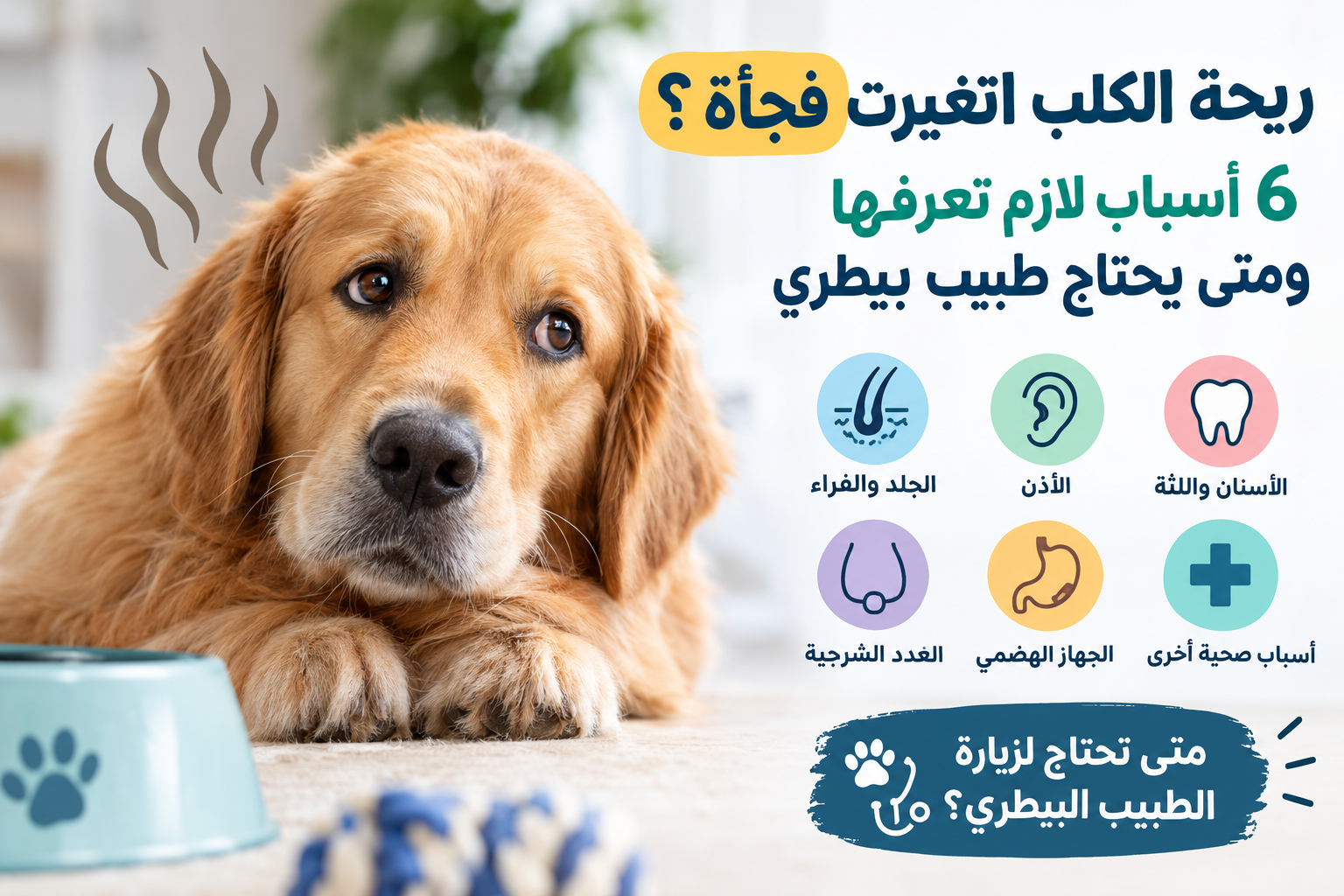




Why Does My Dog Suddenly Smell Bad? 6 Causes and When to See a Vet
Why Does My Dog Suddenly Smell Bad? 6 Causes and When to See a Vet
Has your dog suddenly developed an unpleasant smell, even though you regularly groom and bathe them? The cause may be something simple, such as a dirty or damp coat, but a sudden change in your dog's odor can also be associated with skin problems, ear infections, dental disease, or anal gland issues.
In this guide from Super Pet, you'll learn six common causes of bad dog odor, how to identify its possible source, and when your dog needs a veterinary examination.
Quick Answer:
Why Does My Dog Suddenly Smell Bad?
A sudden change in your dog's smell may result from dirt and moisture on the coat, skin or ear problems, dental disease, or anal gland issues. If the odor persists despite appropriate cleaning or occurs with itching, redness, discharge, or pain, consult a veterinarian to identify the underlying cause.
Is It Normal for Dogs to Have a Smell?
Yes. Every dog has a natural body odor, which may become more noticeable after getting wet, playing outdoors, or becoming dirty.
However, a new, strong, or persistent odor that differs from your dog's usual smell deserves attention, especially if it occurs with itching, hair loss, discharge, or behavioral changes.
Rather than simply masking the smell, try to notice where it comes from and when it started.
What Causes a Dog to Smell Bad?
Dirt, natural skin oils, and debris can build up on a dog's coat and cause an unpleasant smell. Odor may become more noticeable when the coat gets wet or does not dry thoroughly after bathing.
What can you do?
- Groom your dog regularly according to its coat type.
- Use shampoo specifically formulated for dogs.
- Dry the coat thoroughly after bathing.
- Avoid excessive bathing or human shampoo.
If the odor persists after appropriate cleaning, another underlying problem may be responsible.
- 2. Ear Infections or Discharge
If the odor seems to come from your dog's ears, it may be associated with inflammation of the ear canal, an ear infection, or a buildup of wax and discharge. Allergies and certain infections can contribute to ear problems.
Watch for these signs:
- Frequent head shaking.
- Scratching or rubbing the ears.
- Redness.
- Excessive wax or discharge.
- Pain when the ear is touched.
- A strong or unusual ear odor.
What should you do?
If these signs appear, arrange a veterinary examination to determine the cause and appropriate treatment. Avoid using medicated ear drops or unsuitable cleaners without veterinary guidance.
- 3. Skin Problems, Allergies, and Infections
Unusual body odor may be associated with a skin problem, particularly when accompanied by itching, redness, or changes in the skin's texture.
Possible causes include allergies, skin inflammation, or excessive growth of microorganisms such as bacteria and yeast.
Look for:
- Frequent or severe itching.
- Redness or scaling.
- Hair loss.
- Persistent licking or chewing of the skin.
- Moist or inflamed areas.
- Wounds or discharge.
Your veterinarian may need to examine the skin and collect samples to identify the cause, especially if the problem is recurrent or does not improve.
Do not try to mask the smell with perfume or repeated bathing. These measures do not treat the underlying cause and may worsen irritation in some cases.
- 4. Dental and Gum Disease
If the unpleasant smell comes from your dog's mouth, it may be associated with plaque and tartar buildup, gum inflammation, or another oral health problem.
Possible signs include:
- Persistent bad breath.
- Visible tartar.
- Red or bleeding gums.
- Difficulty chewing.
- Dropping food from the mouth.
- Excessive drooling or reduced appetite.
Regular dental care using products designed for dogs can help reduce plaque buildup, but it does not replace a veterinary examination when persistent bad breath or signs of pain are present.
Seek prompt veterinary advice if your dog has significant difficulty eating, bleeding from the mouth, or facial swelling.
- 5. Anal Gland Problems
Anal glands are two small sacs located on either side of the anus. They contain a strong-smelling secretion that normally empties through small ducts.
Problems can occur when the sacs do not empty properly or develop inflammation or infection.
Possible signs include:
- A strong, fishy odor.
- Scooting the rear end across the floor.
- Repeated licking of the rear end.
- Biting or scratching around the area.
- Discomfort when sitting or passing stool.
- Swelling or discharge near the anus.
A fishy smell alone does not confirm an anal gland problem, but the combination of odor and these symptoms warrants an examination.
If you notice painful swelling, pus, or blood, seek veterinary care promptly. Do not attempt to express the glands yourself without appropriate training.
- 6. Wounds or Inflammation Elsewhere on the Body
An unusual smell may come from a wound, inflamed area, or skin fold where moisture becomes trapped, particularly when redness or discharge is present.
Gently inspect your dog's coat and skin for damp or damaged areas. Avoid pressing on wounds or applying irritating substances.
If a wound has a foul odor, pus-like discharge, or obvious pain, your dog needs a veterinary examination to identify the cause and determine appropriate treatment.
The smell alone cannot establish whether an infection is present. Additional tests may be necessary.
How Can You Identify the Source of Your Dog's Smell?
Noticing where the odor seems strongest can help identify possible causes, but it cannot replace a veterinary diagnosis.
Odor sourcePossible causes
Signs to watch for
Dirt, moisture, skin problemsItching, redness, hair loss
Ears
infection, discharge
Head shaking, pain, redness
Mouth
Dental or gum diseaseTartar,
bleeding, difficulty chewing
Rear end
Anal gland or local problemsScooting, swelling, discharge
Wound or inflamed area
Possible inflammation or infectionPain, redness, pus
Also note when the odor started and whether your dog has changes in appetite or activity. This information can help your veterinarian assess the problem.
Can Bathing Get Rid of Dog Odor?
It depends on the cause.
If the odor comes from a dirty coat, appropriate bathing may help. However, bathing will not treat an ear infection, an underlying skin condition, or dental disease.
Excessive bathing or unsuitable products may also dry or irritate the skin.
For routine coat care:
- Choose shampoo formulated specifically for dogs.
- Adjust bathing frequency to your dog's coat and skin condition.
- Dry the coat thoroughly after bathing.
- Consult your veterinarian if the odor persists or other symptoms develop.
When Should You Take Your Dog to the Vet?
A veterinary examination is recommended if the odor:
- Appears suddenly and is noticeably stronger than usual.
- Persists despite appropriate cleaning.
- Occurs with severe itching or redness.
- Is associated with hair loss or wounds.
- Comes from the ears, mouth, or rear end with other symptoms.
- Occurs with pain, swelling, or unusual discharge.
- Is accompanied by loss of appetite, lethargy, or behavioral changes.
Seek prompt veterinary assessment if the odor occurs with severe pain, painful swelling, pus, or a noticeable deterioration in your dog's condition.
Odor is not a diagnosis, but it can be an important clue that something has changed.
Common Mistakes to Avoid When Treating Dog Odor
Using Perfume to Mask the Smell
Perfume may temporarily hide an odor without treating its cause. Some products can irritate the skin or may be unsuitable for pets.
Using Human Shampoo
Dogs have different skin-care needs from humans, so products specifically formulated for dogs are generally preferable.
Bathing Too Frequently
Good hygiene is important, but excessive bathing may dry or irritate the skin, especially when unsuitable products are used.
Using Medication Without a Diagnosis
Skin and ear problems can have different causes and require different treatments. An unsuitable medication may delay diagnosis or make the problem worse.
Ignoring Other Symptoms
If the odor occurs with pain, severe itching, discharge, or behavioral changes, do not rely on cleaning or changing shampoo alone.
Frequently Asked Questions About Dog Odor
Why Does My Dog Still Smell Bad After a Bath?
The odor may be associated with a skin condition, ear infection, dental problem, or anal gland issue rather than a dirty coat alone. If the smell persists after appropriate bathing, arrange a veterinary examination to identify the cause.
Why Do My Dog's Ears Smell Bad?
An unusual ear odor may be associated with an ear infection or a buildup of discharge. If it occurs with head shaking, scratching, redness, or pain, a veterinarian should examine the ear.
Is a Fishy Smell From My Dog Normal?
A fishy odor may be associated with anal gland secretions, especially if your dog is scooting or repeatedly licking the rear end. However, odor alone cannot confirm the cause.
Does Bad Breath Mean My Dog Has Dental Disease?
Dental and gum problems are common causes of bad breath, but other causes are possible. Persistent odor, particularly with difficulty chewing or bleeding gums, warrants a veterinary oral examination.
Does a Sudden Change in My Dog's Smell Mean It Is Sick?
Not necessarily. Dirt or a wet coat may be responsible. However, a new or persistent odor, particularly when accompanied by other symptoms, should not be ignored.
Conclusion
A sudden change in your dog's smell does not always mean your dog is sick, but it deserves attention, especially if it persists or occurs with other symptoms.
The cause may be a dirty coat, but it can also be associated with skin problems, ear infections, dental disease, or anal gland issues. Identifying the likely source and observing accompanying symptoms can help determine the next step, but diagnosis and treatment depend on veterinary assessment.
At Super Pet, we provide veterinary products and pet-care supplies to help you care for your dogs and cats.
Explore the pet-care products available at Super Pet and choose items suited to your pet's needs. If your dog shows signs of a medical problem, consult a veterinarian before selecting a treatment .