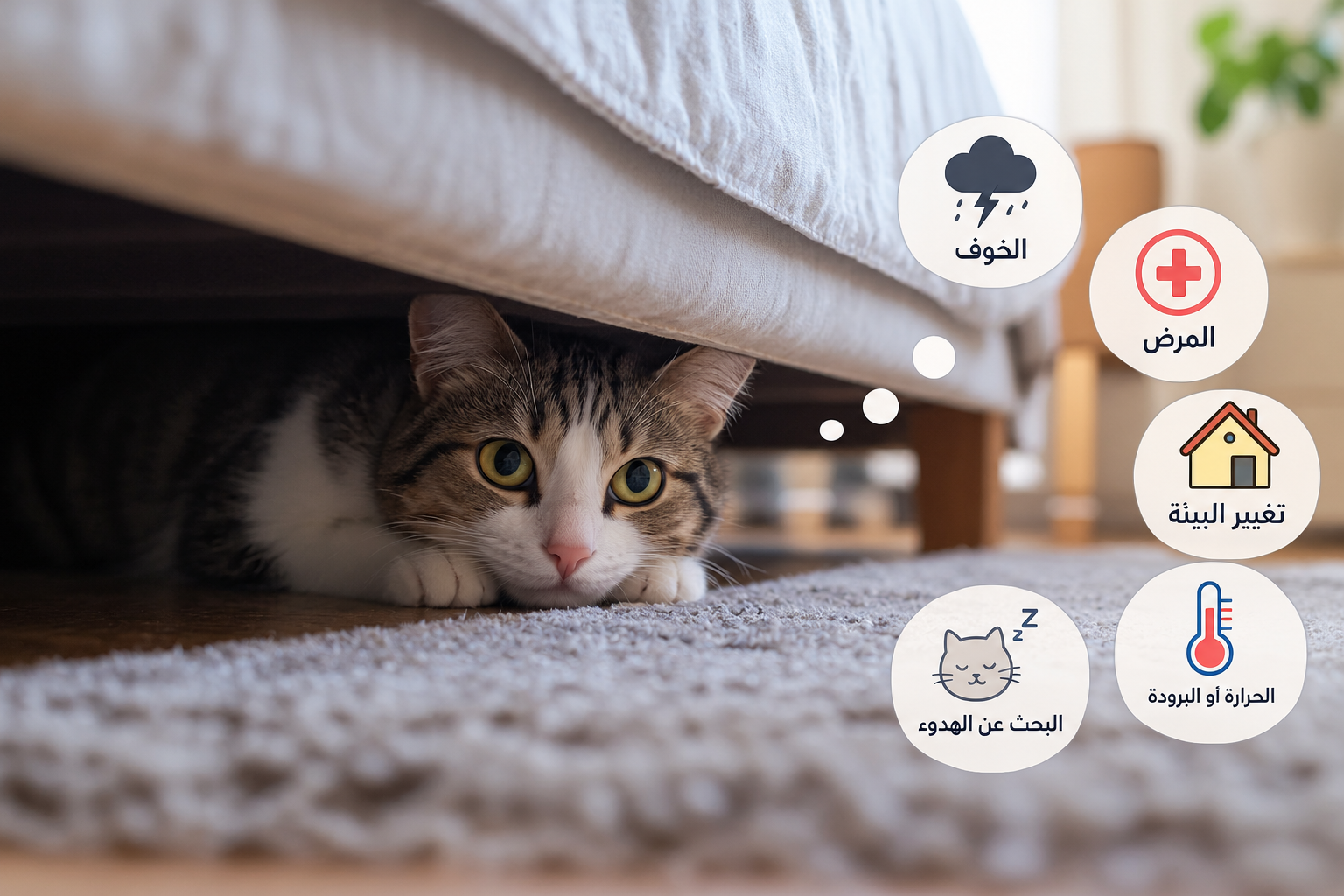




Why Is My Cat Hiding All the Time? 8 Reasons and When to See a Vet
Have you noticed that your cat has suddenly started hiding more often or for longer periods than usual under the bed, inside a closet, or in other unusual places?
You may be wondering: Why is my cat hiding? Is hiding normal for cats, or could it be a sign of a health problem?
In short: Hiding can be completely normal when a cat wants to rest, feel safe, or avoid stress.
However, sudden or persistent hiding—especially when accompanied by loss of appetite, lethargy, vomiting, changes in litter box habits, or breathing difficulties—may indicate an underlying health problem that requires veterinary attention.
In this guide from Super Pet, we explain the most common reasons why cats hide, how to tell whether your cat's hiding is normal, and when you should contact a veterinarian.
Is It Normal for Cats to Hide?
Yes. Hiding is normal cat behavior in many situations.
Cats naturally look for quiet, enclosed spaces where they feel safe. Your cat may hide when:
- Unfamiliar people visit the house.
- A new pet is introduced.
- There are loud or unusual noises.
- Your cat has recently moved to a new home.
- The furniture or environment has changed.
- Your cat feels frightened or stressed.
- Your cat simply wants to sleep undisturbed.
If your cat is eating, drinking, using the litter box, and behaving normally, hiding may simply be part of its personality.
However, sudden hiding or a significant increase in hiding compared with your cat's normal behavior deserves attention.
8 Reasons Why Your Cat May Be Hiding
1. Fear or Stress
Fear and stress are among the most common reasons why cats hide.
Moving to a new home, introducing another pet, changes in routine, loud noises, visitors, or unusual events inside the home can make a cat feel insecure.
In many cases, hiding decreases once the cat feels safe and becomes accustomed to the change.
2. Pain or Illness
Sudden hiding can sometimes be a sign that a cat is experiencing pain or illness.
Cats may hide signs of illness or pain, so withdrawing or hiding can sometimes be one of the first changes an owner notices.
Pay particular attention if hiding is accompanied by:
- Loss of appetite.
- Reduced water intake.
- Lethargy or reduced activity.
- Vomiting or diarrhea.
- Difficulty breathing.
- Changes in litter box habits.
- Weight loss.
- Unusual vocalization.
- Sensitivity to touch or signs of pain.
- Sudden behavioral changes.
If these signs appear, veterinary evaluation is recommended.
3. Changes in Environment or Routine
Cats generally prefer familiar and predictable routines.
Moving food or water bowls, changing the location of the litter box, rearranging furniture, moving to a new home, or changing daily schedules may increase stress in some cats.
Try to introduce major changes gradually and keep essential resources in consistent locations whenever possible.
4. New People or Pets
Cats do not always adapt immediately to changes in their social environment.
A new pet or a new person in the home may cause your cat to retreat to a quiet hiding place where it feels safe.
Avoid forcing your cat out and give it access to a private space it can return to whenever needed.
5. Feeling Unsafe
If your cat does not have a quiet, private area, it may create its own hiding place.
You can provide:
- A comfortable cat bed.
- A clean and safe box.
- A dedicated cat house.
- A quiet elevated area if your cat prefers higher places.
A safe space can help your cat feel more secure and may reduce stress.
6. Looking for a Quiet Place
Sometimes, there is nothing wrong with your cat.
Cats sleep for many hours each day and may choose quiet, dark, or enclosed areas where they can rest without being disturbed.
If your cat is eating, drinking, using the litter box, and behaving normally, hiding may simply be part of its personality.
7. Temperature Changes
Cats may choose different resting areas depending on the temperature.
During hot weather, a cat may look for a cool, dark area. During cold weather, it may seek a warm and enclosed space.
Make sure your cat has a comfortable resting area and access to fresh water.
8. Aging
Older cats may naturally become less active and spend more time resting in quiet areas.
However, sudden behavioral changes in senior cats should not automatically be considered a normal part of aging.
If an older cat suddenly starts hiding more often or develops changes in appetite, movement, or litter box habits, veterinary evaluation may be appropriate.
When Should You Worry About Your Cat Hiding?
Not every hiding behavior requires a veterinary visit.
However, a sudden and persistent change in your cat's behavior deserves attention, especially when it is different from your cat's normal habits.
Contact your veterinarian if your cat:
- Suddenly hides for unusually long periods.
- Loses its appetite or stops eating.
- Becomes noticeably lethargic.
- Vomits or develops diarrhea.
- Has changes in urination or litter box habits.
- Loses weight.
- Shows signs of pain or avoids being touched.
- Becomes unusually aggressive or withdrawn.
When Is Cat Hiding an Emergency?
Some signs require prompt veterinary assessment, particularly when hiding occurs together with:
- Difficulty breathing or obvious breathing effort.
- Severe weakness or loss of consciousness.
- Severe or persistent pain.
- Inability to urinate or repeated attempts to urinate without producing urine.
- Repeated vomiting with worsening general condition.
- Signs of injury or bleeding.
- Sudden and significant deterioration.
If any of these signs occur, seek veterinary advice as soon as possible.
How Can You Help Your Cat Feel Safe?
If your cat is hiding because of fear or stress, you can help by:
- Providing a quiet and safe hiding place.
- Avoiding forcing your cat out.
- Maintaining a consistent daily routine.
- Providing fresh water and appropriate food.
- Keeping the litter box clean.
- Reducing loud noises and other stressors.
- Monitoring appetite, drinking, activity, and litter box habits.
- Providing a comfortable cat bed or hiding house.
- Introducing major changes gradually whenever possible.
Frequently Asked Questions About Cats Hiding
Why is my cat suddenly hiding?
Sudden hiding may be caused by fear, stress, or environmental changes. However, sudden hiding in cats can also be associated with pain or illness, particularly when other symptoms are present.
Is it normal for my cat to hide all day?
Some cats naturally spend a lot of time in quiet places. If your cat is eating, drinking, active, and using the litter box normally, hiding may not be a problem. However, a new or significant change in hiding behavior should be monitored.
Why does my cat hide under the bed?
Under the bed is usually dark, quiet, and relatively enclosed, making it feel safe to many cats. Cats may hide there when they are stressed, frightened, or simply looking for a peaceful place to rest.
Do cats hide when they are sick?
Yes. Some cats become withdrawn or hide when they experience pain or illness. A sudden behavioral change should therefore be taken seriously, particularly when it occurs with other symptoms.
My cat is hiding and not eating. What should I do?
Hiding combined with loss of appetite is more concerning than hiding alone. Monitor your cat for other symptoms and contact your veterinarian if the lack of appetite continues, other signs of illness develop, or your cat's condition worsens.
Should I force my cat out of hiding?
Generally, no. If the hiding place is safe, allow your cat to come out on its own. Instead, try to identify what may have caused the stress or behavioral change.
Conclusion
Hiding is not always a sign that something is wrong with your cat. It can be a normal behavior used to feel safe, rest, or cope with temporary fear or stress.
However, if your cat suddenly starts hiding or spends much longer hiding than usual, monitor its appetite, water intake, activity, and litter box habits.
When hiding is accompanied by signs of illness or a significant behavioral change, a veterinary examination is the best way to identify the underlying cause.
Veterinary Review
This article is intended for general pet-care education and does not replace veterinary examination or professional medical advice when a pet shows concerning symptoms.
At Super Pet, we care about the health and comfort of your pets. Explore our range of veterinary products and pet-care supplies to help you provide better daily care for your cat or dog.