



Blog and News
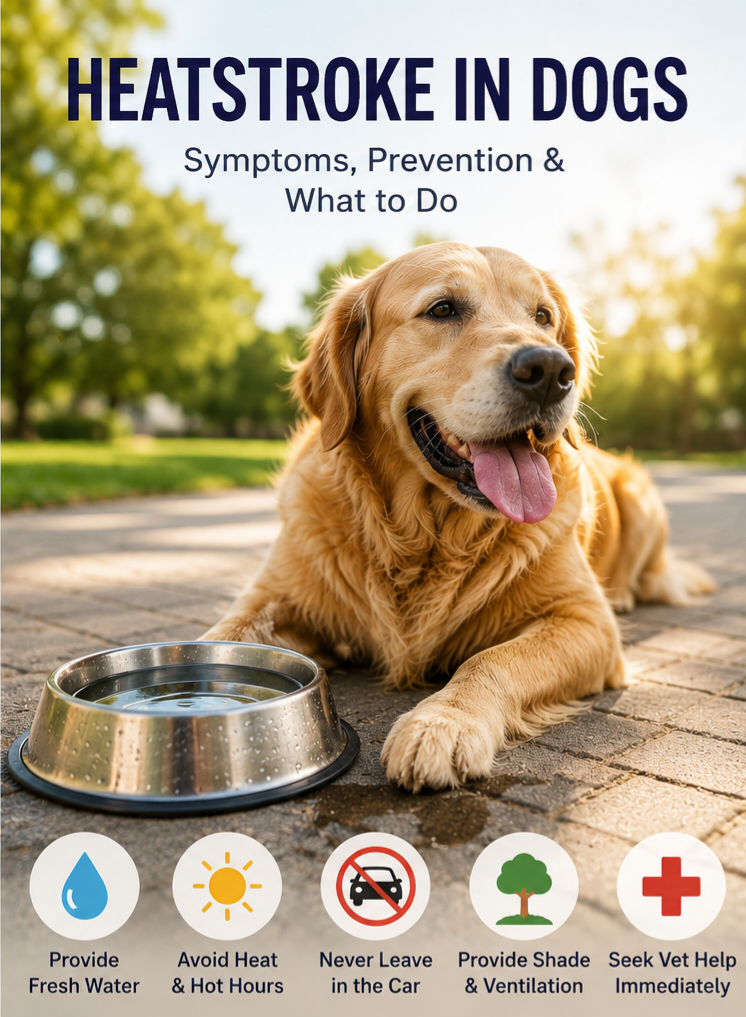
Heatstroke in Dogs | Symptoms, Prevention & What to Do
Heatstroke in Dogs: Symptoms, Prevention and What to Do
●During hot summer weather, heatstroke in dogs is an important risk every pet owner should understand.
●Dogs can become dangerously overheated in a short period of time, especially when exposed to high temperatures, intense exercise, poor ventilation, or a hot enclosed space.
●In this guide from Super Pet Egypt, we explain the signs of heatstroke in dogs, which dogs are at higher risk, how to prevent it, and what to do if you suspect your dog is overheating.
What Is Heatstroke in Dogs?
●Heatstroke, also known as hyperthermia, occurs when a dog's body temperature rises to a dangerous level and the body can no longer cool itself effectively.
●It can happen because of hot weather, excessive exercise, poor ventilation, or being left in a hot environment.
●Heatstroke is a veterinary emergency and can cause serious complications if treatment is delayed.
Signs of Heatstroke in Dogs
Common warning signs include:
- Heavy or excessive panting.
- Excessive drooling.
- Red or abnormal-looking gums.
- Weakness or extreme tiredness.
- Difficulty walking.
- Vomiting or diarrhea.
- Loss of balance.
- Confusion or unusual behavior.
- Collapse or loss of consciousness in severe cases.
If your dog's condition is worsening or severe symptoms appear, seek veterinary care immediately.
Which Dogs Are More at Risk?
Any dog can develop heatstroke, but some dogs may be more vulnerable.
1-Flat-Faced Dogs:
Breeds such as Bulldogs and Pugs can have more difficulty cooling themselves because of their shortened airways.
2-Overweight Dogs:
Excess body weight can make it harder for dogs to tolerate hot weather.
3-Dogs With Thick Coats
Dogs with dense coats may be more uncomfortable and vulnerable during very hot weather.
4-Puppies and Senior Dogs
Young puppies and older dogs may have a harder time regulating their body temperature.
How to Prevent Heatstroke in Dogs
1. Provide Fresh Water
Make sure your dog always has access to clean, fresh drinking water, especially during hot weather.
2. Avoid Walking During the Hottest Hours
Schedule walks during cooler parts of the day, such as early morning or evening.
3. Never Leave Your Dog in a Car
A parked car can become dangerously hot very quickly, even if the windows are partially open or you plan to leave for only a short time.
4. Provide Shade and Good Ventilation
Outdoor dogs should always have access to a shaded and well-ventilated area.
5. Reduce Exercise in Hot Weather
Avoid intense running or strenuous exercise when temperatures are high.
6. Watch Out for Hot Pavement
Hot pavement can burn your dog's paw pads. Check the surface temperature before taking your dog outside.
What Should You Do If You Suspect Heatstroke?
●Heatstroke is an emergency, so contact a veterinarian immediately.
●While preparing to reach veterinary care, move your dog to a cool, shaded area and begin cooling gradually using cool or lukewarm water. Avoid extreme cooling or ice-cold water.
●If your dog is conscious and able to swallow, you can offer small amounts of water, but do not force your dog to drink.
●Most importantly, do not delay veterinary treatment even if your dog appears to improve.
Is Heatstroke Dangerous for Dogs?
Yes. Prolonged overheating can affect multiple organs and may become life-threatening. This is why rapid veterinary assessment is important.
Summer Safety Tips for Dogs in Egypt
During the hot summer months in Egypt:
- Keep fresh water available at all times.
- Avoid outdoor activity during peak heat.
- Provide shade and good ventilation.
- Monitor your dog's breathing and behavior.
- Never leave your dog inside a parked car.
- Reduce strenuous exercise during hot weather.
- Keep your veterinarian's contact information easily accessible.
Final Thoughts
●Prevention is the best way to protect your dog from heatstroke. Providing fresh water, avoiding extreme heat, choosing cooler walking times, and ensuring proper ventilation can significantly reduce the risk of overheating.
●However, if you notice heavy panting, weakness, vomiting, loss of balance, or collapse, do not wait for the symptoms to disappear. Treat the situation as an emergency and contact a veterinarian immediately.